 5 months ago
Introduction
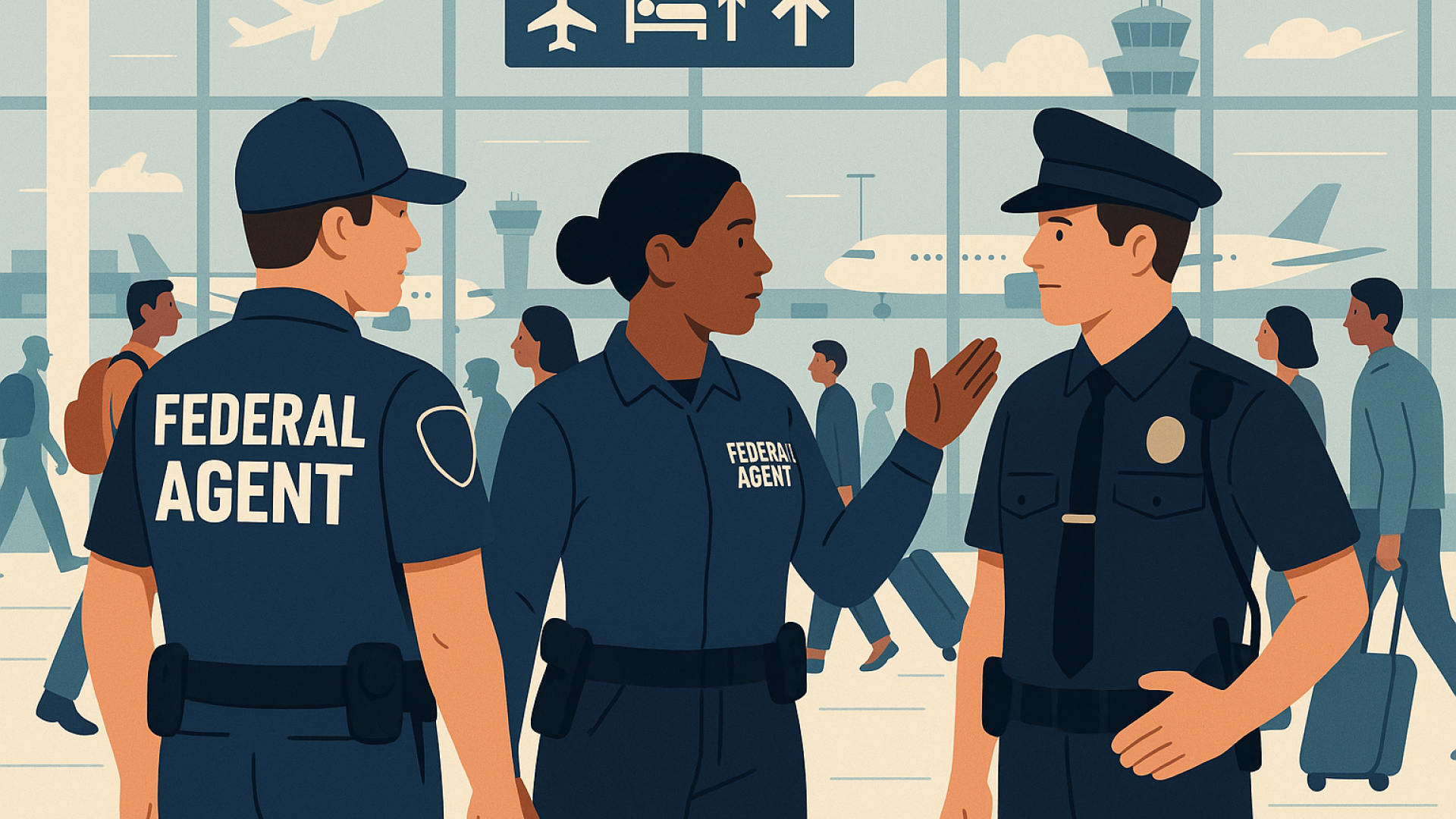
In early 2026, the United States Department of Homeland Security (DHS) found itself on the brink of a shutdown due to funding deadlocks in Congress. Amid this precarious situation, former President Donald Trump publicly threatened to deploy federal immigration agents, specifically Immigration and Customs Enforcement (ICE) officers, to airports across the country. This announcement has ignited widespread discussion about the implications for national security, civil liberties, and the operational capacity of federal agencies during funding crises.
The proposal to use ICE agents in airport security roles traditionally held by the Transportation Security Administration (TSA) has raised numerous questions about the practicality and legality of such a move, as well as its potential impact on the traveling public and immigrant communities. This article delves into the multifaceted issues surrounding this development, exploring the historical context, operational challenges, legal considerations, and broader societal implications.
Context: The DHS Shutdown and Its Ramifications
The Department of Homeland Security is a cornerstone of the United States' national security infrastructure. Established in the aftermath of the September 11, 2001 terrorist attacks, DHS consolidates multiple agencies responsible for border security, immigration enforcement, cybersecurity, disaster response, and transportation security. Its role in maintaining the safety and integrity of the nation’s borders and critical infrastructure cannot be overstated.
A shutdown of DHS funding would have far-reaching consequences. Unlike some federal agencies that can temporarily suspend operations during funding lapses, DHS oversees essential services that must continue to function to protect public safety. Historically, during government shutdowns, DHS has furloughed non-essential personnel but maintained core operations, often stretching resources thin.
The looming shutdown in 2026 stems from protracted political disputes over budget priorities, particularly concerning immigration enforcement and border security funding. These disagreements have stalled appropriations bills, threatening to halt funding for DHS and its constituent agencies. The potential shutdown has heightened anxieties about the continuity of critical security functions, including airport screening and immigration processing.
Within this tense environment, former President Trump’s announcement to deploy ICE agents to airports as a stopgap measure to cover TSA staffing shortfalls has added a new dimension to the debate. This proposal intersects with ongoing national conversations about immigration policy, law enforcement roles, and civil rights protections.
Core Issues: Trump’s Threat to Deploy ICE Agents at Airports
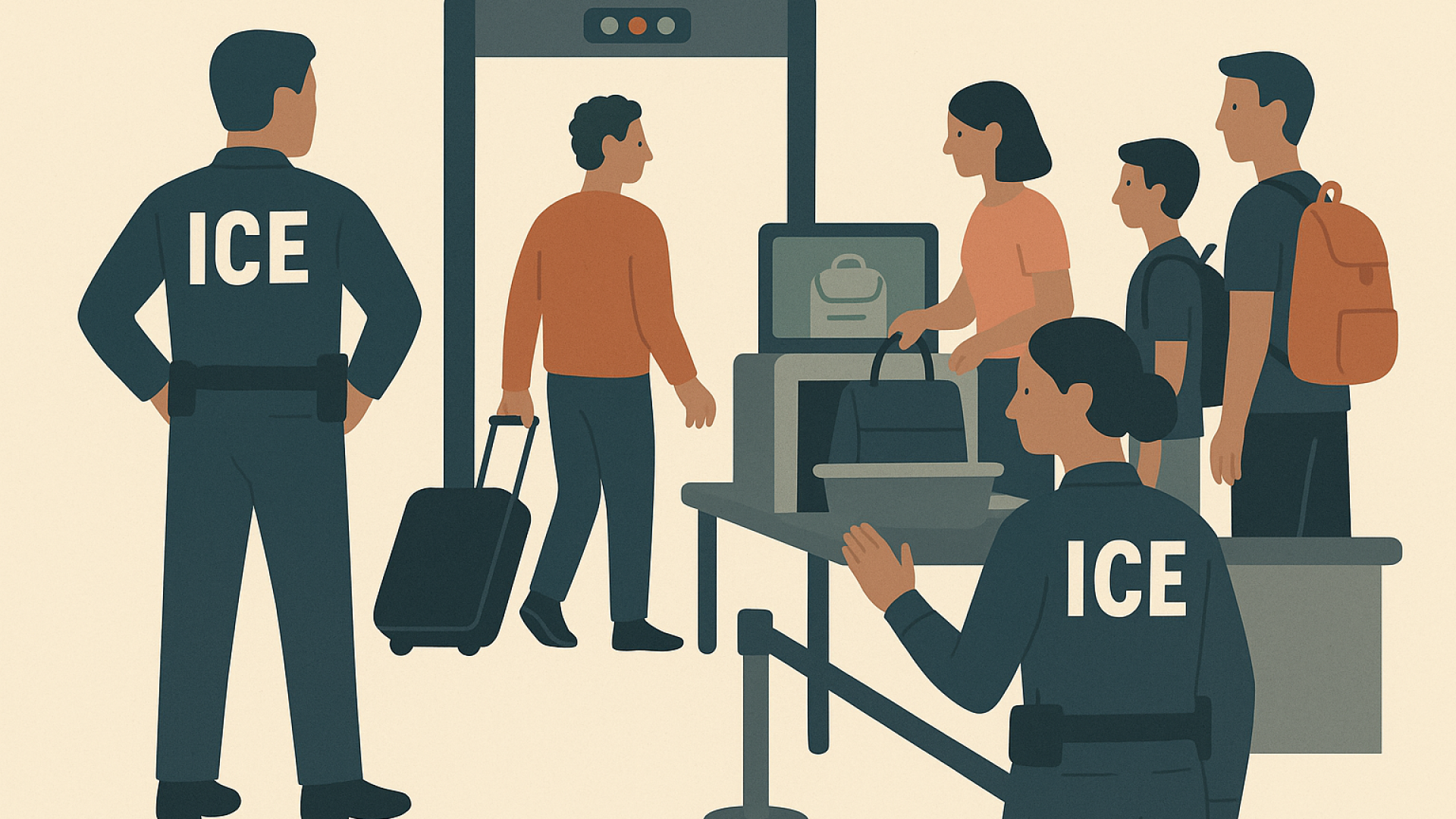
Former President Trump framed his proposal as a pragmatic solution to maintain airport security amid the threat of a DHS shutdown that could furlough TSA officers. He suggested that ICE agents could be redeployed to airports and that ICE might even cover TSA salaries to ensure uninterrupted security screening operations.
While the intention to preserve security is clear, the proposal has been met with skepticism and concern from security experts, legal scholars, civil rights advocates, and government officials. Several critical issues arise from this suggestion:
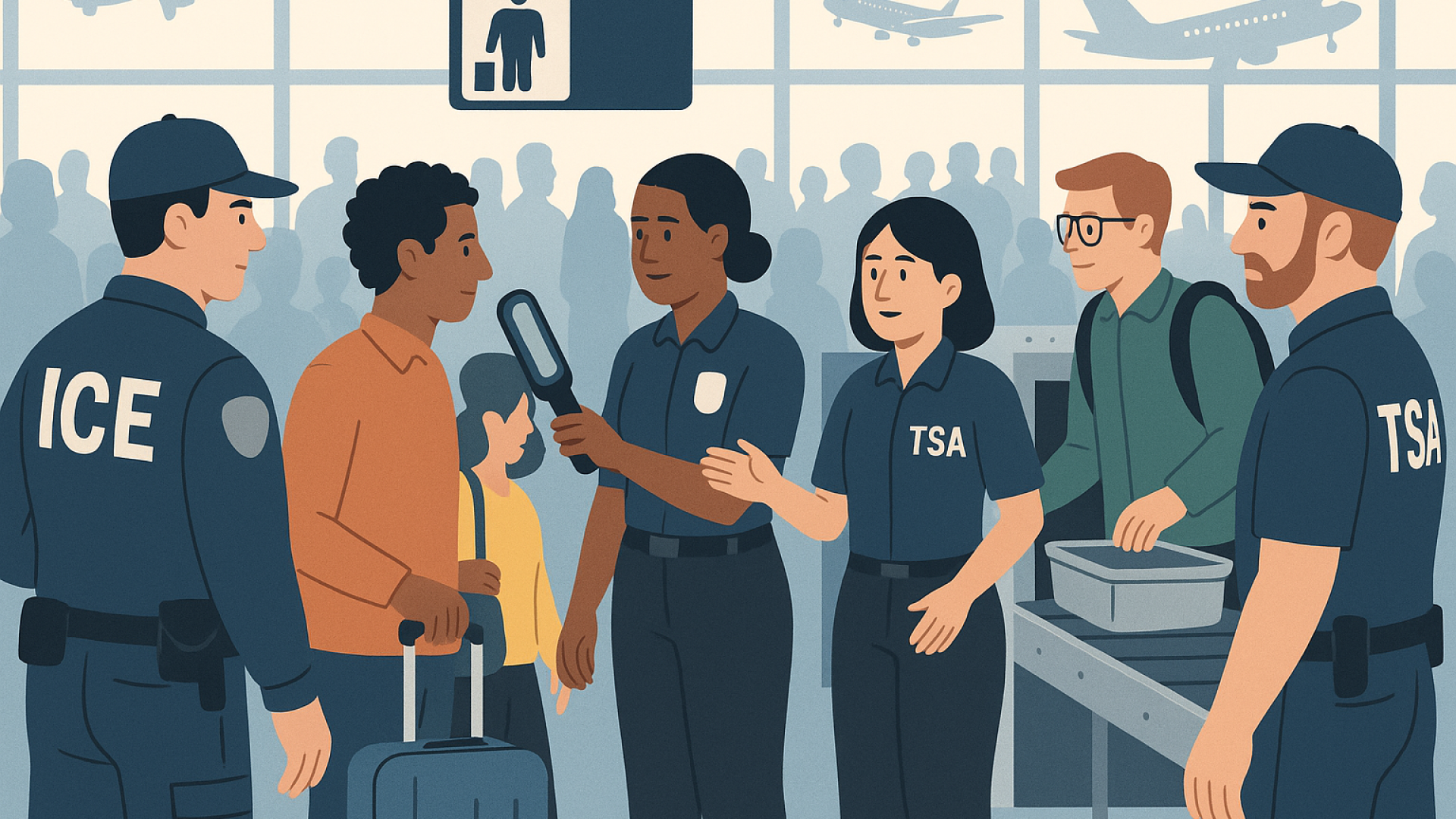
- Operational Feasibility: TSA officers receive specialized training focused on passenger screening, threat detection, and the use of advanced screening technologies. ICE agents, by contrast, are trained primarily in immigration enforcement, investigations, and detention operations. The skill sets and operational mandates differ significantly, raising questions about whether ICE personnel could effectively perform TSA functions without compromising security standards.
- Legal and Jurisdictional Concerns: TSA and ICE operate under distinct legal authorities and regulatory frameworks. TSA’s mission centers on transportation security, governed by the Aviation and Transportation Security Act, while ICE’s mandate involves immigration enforcement under the Immigration and Nationality Act. Deploying ICE agents in TSA roles could blur jurisdictional lines, potentially leading to legal challenges and complicating inter-agency coordination.
- Civil Liberties and Public Perception: Airports are public spaces used daily by millions of travelers, including U.S. citizens, lawful residents, and visitors from around the world. The increased presence of ICE agents, known for immigration enforcement actions, could foster fear and anxiety among immigrant communities and the general public. Concerns about racial profiling, discrimination, and the chilling effect on lawful travel have been voiced by civil rights organizations and community leaders.
Analysis: Implications for National Security and Civil Rights
The proposal to deploy ICE agents to airports during a DHS shutdown must be carefully analyzed from both national security and civil rights perspectives, as these considerations are deeply intertwined.
National Security Considerations
Airport security is a highly specialized domain requiring rigorous training, adherence to strict protocols, and the ability to respond swiftly to emerging threats. TSA officers undergo extensive preparation to detect explosives, weapons, and other prohibited items, utilizing sophisticated screening technologies and behavioral analysis techniques. Their expertise is critical to preventing terrorist attacks and ensuring passenger safety.
ICE agents, while experienced in immigration enforcement and investigations, do not possess the same specialized training in transportation security screening. Rapidly redeploying ICE personnel to perform TSA functions could create vulnerabilities in security processes, potentially increasing risks to passengers and airport operations. Additionally, the logistical challenges of reallocating ICE agents nationwide during a funding crisis could strain agency resources and hamper effective coordination.
Moreover, the suggestion that ICE could cover TSA salaries raises questions about funding legality and appropriations law. Federal agencies typically cannot transfer funds across appropriations without Congressional approval, and such financial maneuvers could face legal scrutiny.
Civil Rights and Community Impact
The presence of ICE agents in airports, especially in roles traditionally held by TSA, may exacerbate fears among immigrant populations, including lawful residents, visa holders, and visitors. Airports serve as transit hubs for diverse populations, and the increased visibility of immigration enforcement could deter travel, disrupt commerce, and undermine public confidence in federal agencies.
Civil liberties organizations have expressed strong opposition to the deployment of ICE agents in airports, emphasizing the risk of racial profiling, unlawful detentions, and violations of constitutional rights. The potential for ICE to conduct immigration enforcement actions in airports could lead to confrontations, legal challenges, and heightened tensions between law enforcement and communities.
Balancing security needs with respect for individual rights is essential to maintaining public trust and social cohesion. Policies that blur the lines between immigration enforcement and transportation security risk undermining this balance.
Potential Solutions and Policy Recommendations
Addressing the challenges posed by the DHS shutdown threat and the proposed deployment of ICE agents requires a comprehensive approach involving legislative, administrative, and community engagement strategies.
Legislative Action to Prevent Shutdowns
Congress must prioritize passing timely appropriations bills to avoid funding gaps that jeopardize critical security functions. Bipartisan cooperation is essential to ensure DHS remains fully operational, thereby preventing the need for emergency measures such as agency personnel redeployments. Establishing contingency funding mechanisms or emergency appropriations could provide additional safeguards against future shutdowns.
Enhancing Interagency Coordination
In the event of unavoidable funding disruptions, clear protocols should be established for interagency support that respects each agency’s expertise and legal mandates. Developing cross-training programs could prepare personnel for temporary roles in emergencies without compromising security standards. Joint exercises and communication channels can improve coordination and readiness.
Protecting Civil Liberties
Policies must safeguard the rights of travelers and immigrant communities, ensuring that security measures do not lead to discriminatory practices. Transparency, oversight, and community engagement are critical to maintaining public trust and minimizing negative social impacts. Establishing independent review mechanisms and clear guidelines for enforcement actions in airports can help mitigate civil rights concerns.
Investing in TSA Workforce Stability
Long-term solutions should focus on stabilizing TSA staffing and funding to reduce vulnerability to political impasses. Competitive salaries, improved working conditions, and career development opportunities can help retain skilled personnel essential for airport security. Strengthening recruitment and retention efforts will enhance the agency’s resilience during funding uncertainties.
Conclusion
The threat to deploy ICE agents to airports amid a DHS shutdown highlights the complex interplay between national security, immigration enforcement, and civil liberties. While the intention to maintain airport security is paramount, the proposed approach raises significant operational, legal, and ethical concerns that must be carefully considered.
Preventing DHS shutdowns through effective legislative action remains the most viable solution to ensure uninterrupted security operations. In parallel, fostering interagency collaboration and protecting the rights of all travelers are essential to navigating the challenges posed by funding crises and political disagreements.
As the nation grapples with these issues, a balanced, informed, and humane approach will be critical to safeguarding both security and the foundational values of justice and equality. Policymakers, law enforcement agencies, and community stakeholders must work together to develop solutions that uphold safety without compromising civil liberties.