 5 months ago
Introduction
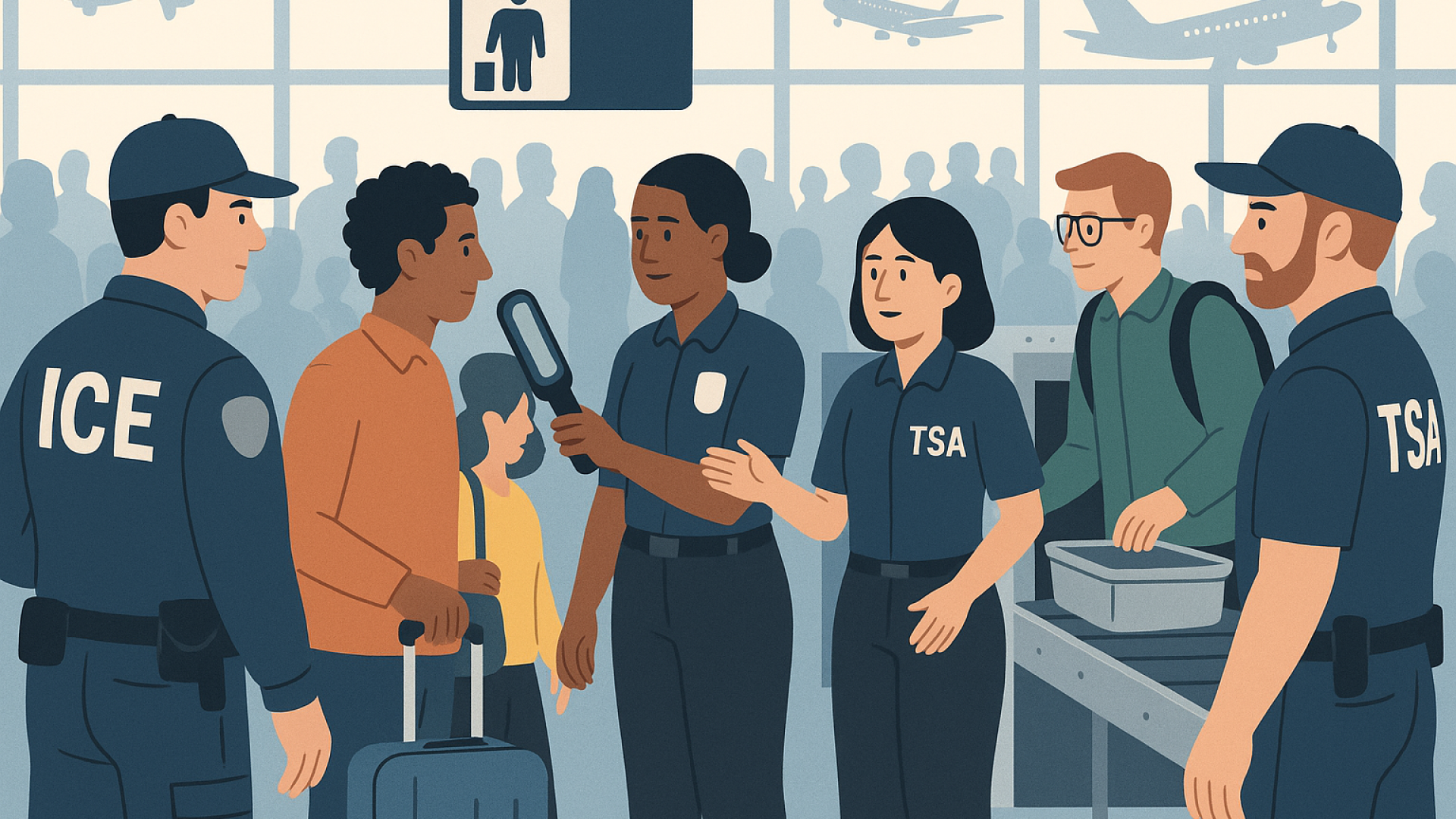
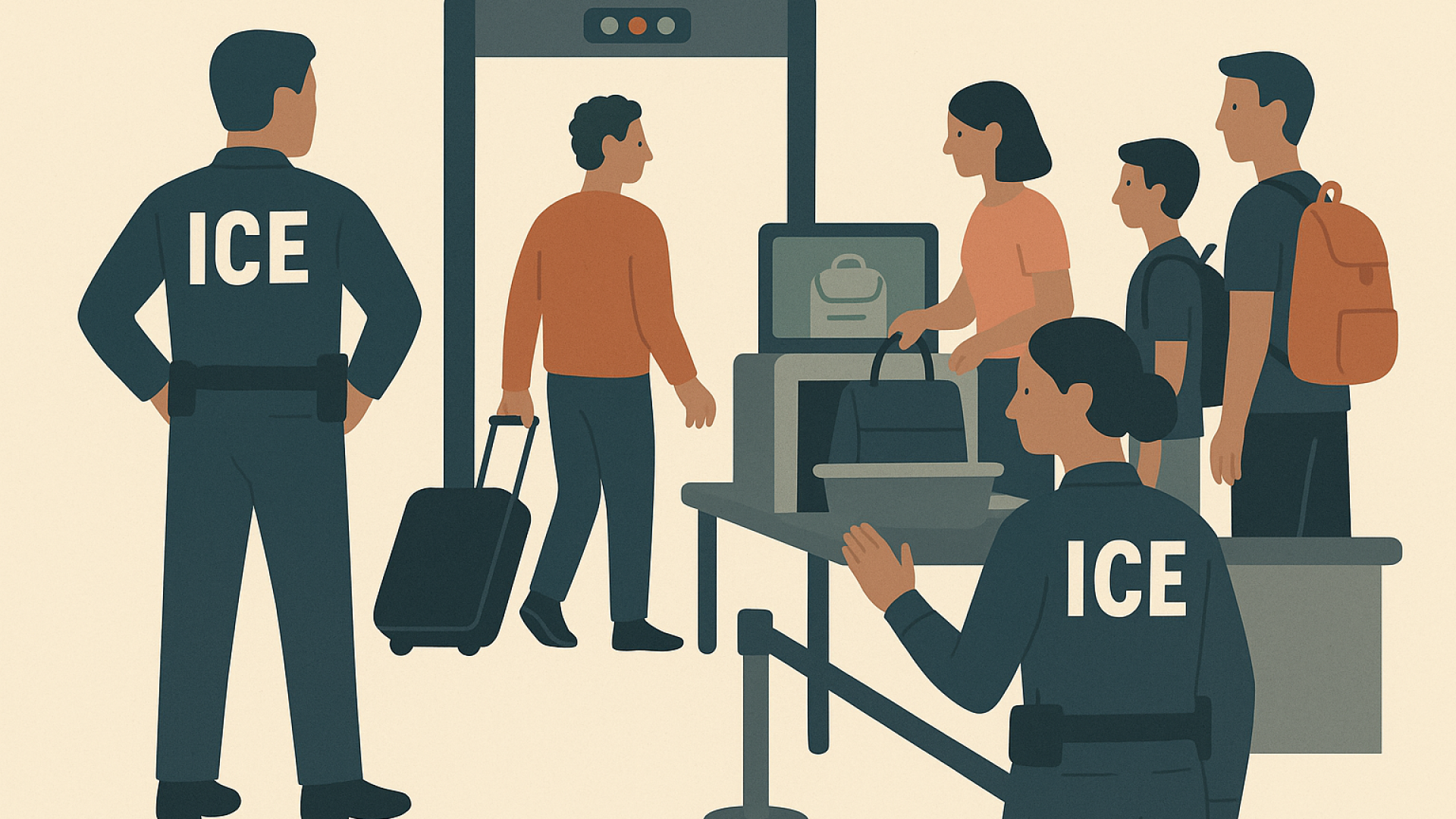
On March 22, 2026, former President Donald Trump announced his intention to deploy Immigration and Customs Enforcement (ICE) officers to U.S. airports starting Monday, citing a standoff over Department of Homeland Security (DHS) funding. This move has sparked widespread debate about the role of federal agencies in airport security, the political implications of the funding impasse, and the potential impact on travelers and immigration enforcement. The announcement has also raised questions about the operational readiness of ICE agents to assume responsibilities traditionally held by the Transportation Security Administration (TSA), as well as the broader consequences for national security and public perception.
Context: The DHS Funding Standoff
The Department of Homeland Security, responsible for safeguarding the nation’s borders and critical infrastructure, has been embroiled in a funding deadlock for several weeks. Congressional gridlock and partisan disagreements have delayed the approval of necessary budget allocations, affecting various DHS components, including the Transportation Security Administration (TSA) and ICE. This stalemate has created uncertainty about the continuity of essential security operations, particularly at airports where TSA agents play a crucial role in passenger and baggage screening.
As the funding deadline approached, concerns grew over the ability of TSA to maintain adequate staffing and security protocols at airports nationwide. The potential shortfall raised alarms among lawmakers, industry stakeholders, and the traveling public, who rely on efficient and secure screening processes to ensure safe air travel. The funding impasse threatens to disrupt these operations, potentially leading to longer wait times, reduced security effectiveness, and increased vulnerability to security threats.
In this environment of uncertainty, the prospect of deploying ICE officers to fill the gap created by TSA staffing shortages has emerged as a controversial proposal, reflecting the high stakes involved in maintaining airport security amid political and budgetary challenges.
Trump’s Announcement and Its Immediate Implications
Against this backdrop, Donald Trump publicly threatened to deploy ICE officers to airports to fill the security gap if the funding deadlock was not resolved promptly. His announcement, made through a series of statements and social media posts, emphasized the need to maintain national security and prevent any disruption to airport operations. Trump framed the move as a necessary step to ensure that airports remain secure and operational despite the ongoing budgetary impasse.
ICE, traditionally focused on immigration enforcement and investigations related to customs violations, is not typically involved in airport security screening or passenger screening duties. The proposed deployment would mark a significant shift in the operational roles of federal agencies, potentially blurring the lines between immigration enforcement and transportation security. This shift raises concerns about the appropriateness and effectiveness of ICE agents performing TSA functions, which require specialized training and expertise.
The announcement also intensified political tensions, with critics accusing Trump of politicizing airport security and using federal agencies as leverage in budget negotiations. Supporters, however, praised the move as a pragmatic response to an urgent security challenge, arguing that national safety must take precedence over bureaucratic disputes.
Analyzing the Role of ICE in Airport Security
ICE officers are trained primarily for immigration enforcement, including detaining and deporting individuals who violate immigration laws. Their expertise lies in investigations, arrests, and removals rather than the security screening of passengers and baggage, which is the TSA’s core responsibility. TSA agents undergo specialized training in threat detection, passenger screening technologies, and behavioral analysis to identify potential security risks effectively.
Deploying ICE agents to airport security roles raises several questions:
- Training and Preparedness: Would ICE officers receive the necessary training to perform TSA duties effectively and efficiently? Transitioning ICE agents to screening roles would require rapid and comprehensive training programs to ensure they can operate screening equipment, recognize prohibited items, and manage passenger interactions appropriately.
- Legal and Jurisdictional Concerns: How would the deployment align with existing laws governing airport security and immigration enforcement? TSA operates under specific legal mandates focused on transportation security, while ICE’s authority centers on immigration enforcement. The overlap could create legal ambiguities and challenges regarding the scope of authority and accountability.
- Impact on Travelers: Could the presence of ICE agents at airports create an atmosphere of fear or discomfort, particularly among immigrant communities? The visible presence of immigration enforcement officers in security roles may deter some travelers from seeking assistance or reporting suspicious activity, potentially undermining overall security efforts.
Moreover, the operational effectiveness of ICE agents in performing TSA functions remains uncertain. TSA’s screening processes involve not only technical proficiency but also customer service skills and the ability to manage high volumes of passengers efficiently. ICE’s traditional enforcement approach may not align with these requirements, potentially leading to operational inefficiencies or increased passenger frustration.
Political Dimensions of the Funding Standoff
The DHS funding impasse reflects broader political tensions in Washington, with disagreements over immigration policy, border security, and federal spending priorities. Trump’s threat to deploy ICE agents can be seen as a strategic move to pressure lawmakers to resolve the funding issue swiftly. By highlighting the potential consequences of the deadlock, Trump aims to galvanize support for a funding resolution that aligns with his policy priorities.
Critics argue that using ICE in this context politicizes airport security and conflates immigration enforcement with passenger safety, potentially undermining public trust. They contend that such a move could exacerbate divisions and distract from the primary mission of ensuring safe and efficient air travel. Additionally, opponents warn that this approach risks alienating immigrant communities and could lead to civil rights concerns.
Supporters contend that ensuring security by any means necessary is paramount, especially amid funding uncertainties. They argue that ICE agents are federal law enforcement officers capable of contributing to security efforts and that their deployment could serve as a temporary measure to prevent service disruptions. This perspective emphasizes the urgency of maintaining national security and the need for flexible responses in times of crisis.
Potential Solutions and Path Forward
Resolving the DHS funding deadlock is critical to restoring normal airport security operations. Possible solutions include:
- Congressional Compromise: Bipartisan negotiations to approve a funding package that addresses TSA staffing needs and ICE operational budgets. Such a compromise would provide the necessary resources to maintain security operations without resorting to unconventional measures.
- Temporary Measures: Short-term funding extensions or emergency appropriations to prevent service disruptions. These stopgap solutions could buy time for lawmakers to reach a more comprehensive agreement.
- Agency Collaboration: Enhanced cooperation between TSA and ICE to support security efforts without overstepping jurisdictional boundaries. This could involve joint training programs, information sharing, and coordinated operations that respect each agency’s mandate.
Additionally, transparent communication with the public about the roles and responsibilities of federal agencies at airports can help alleviate concerns and maintain confidence in security protocols. Public outreach and community engagement are essential to building trust, especially among vulnerable populations who may be affected by changes in security operations.
Broader Implications for Immigration and Security Policy
This episode highlights the complex interplay between immigration enforcement and national security. It underscores the need for clear policies that delineate agency roles and ensure that security measures do not inadvertently target or alienate specific communities. The blending of immigration enforcement with transportation security functions risks blurring important distinctions that have legal, operational, and social consequences.
Moreover, it raises questions about the politicization of federal agencies and the potential consequences for operational effectiveness and public perception. When federal agencies become tools in political disputes, their ability to carry out missions impartially and effectively can be compromised. This can erode public trust and hinder cooperation between agencies and the communities they serve.
Looking ahead, policymakers must consider how to balance security imperatives with civil liberties and community relations. Developing clear guidelines, investing in training, and fostering interagency collaboration will be key to navigating these challenges.
Conclusion
Donald Trump’s threat to deploy ICE officers to airports amid the DHS funding standoff brings to the forefront critical issues about federal agency roles, political dynamics, and the future of airport security in the United States. As lawmakers work toward resolving the funding impasse, it is essential to balance security needs with legal frameworks and community trust.
The coming weeks will be pivotal in determining how this situation unfolds and what it means for the broader landscape of homeland security and immigration enforcement. Stakeholders across government, industry, and civil society will be watching closely as decisions are made that could reshape the operational landscape of airport security and influence the relationship between immigration enforcement and national security for years to come.