 5 months ago
Introduction
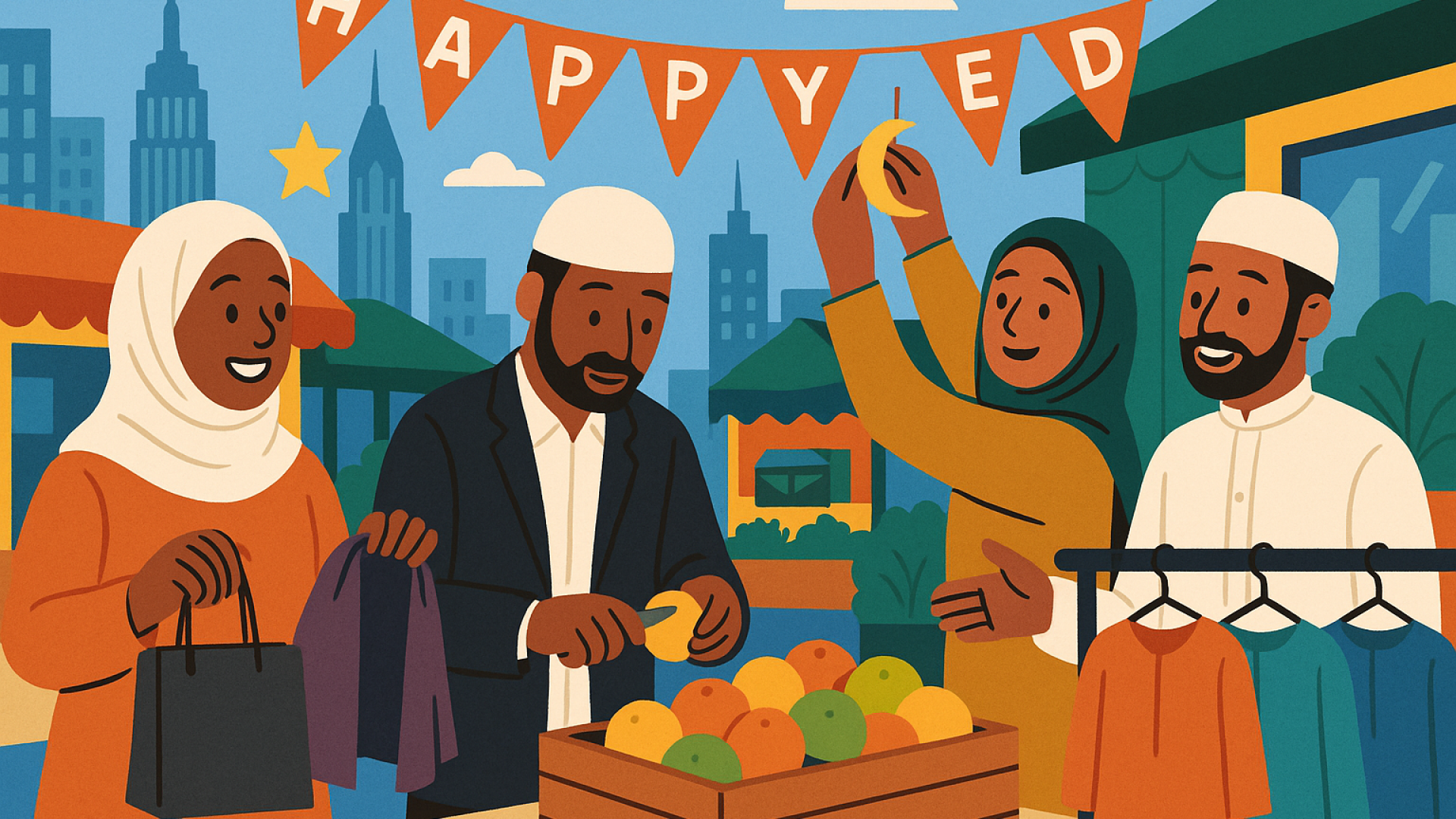
Eid al-Fitr, marking the end of Ramadan, is a significant celebration for Muslims worldwide. In New York City, home to a diverse and vibrant Muslim community, this festival is not only a religious occasion but also a vital cultural and economic event. Muslim-owned businesses play a crucial role in the festivities, providing goods and services that cater to the needs of the community. As Eid approaches in 2026, these businesses are preparing to celebrate while facing a range of challenges, from economic pressures to evolving consumer behaviors.
Context: The Importance of Eid for Muslim Businesses
Eid al-Fitr is traditionally a time of joy, generosity, and community bonding. For Muslim businesses, it represents a peak season where demand for specific products such as traditional clothing, sweets, gifts, and halal food surges. In New York, neighborhoods like Bay Ridge, Jackson Heights, and parts of Brooklyn and Queens become hubs of activity, with shops and markets bustling with customers preparing for the festivities.
The economic impact of Eid on these businesses is significant. Many small and medium enterprises rely on the increased sales during this period to sustain their operations throughout the year. Moreover, Eid celebrations foster community cohesion, with businesses often sponsoring or participating in local events and charity drives. This seasonal boost is critical for many entrepreneurs who face stiff competition and fluctuating market conditions during the rest of the year.
Core Challenges Facing Muslim Businesses in 2026
Despite the cultural and economic importance of Eid, Muslim businesses in New York face several challenges as they prepare for the 2026 celebrations:
- Economic Pressures: Inflation and rising costs of goods have tightened profit margins. Many businesses struggle to balance competitive pricing with quality, especially for imported traditional items. The increased cost of raw materials, transportation, and labor has forced some businesses to reconsider their pricing strategies, sometimes at the risk of losing customers.
- Supply Chain Disruptions: Global supply chain issues continue to affect the availability of certain products, including textiles and specialty food items essential for Eid. Delays and shortages have made it difficult for businesses to stock up on popular items, leading to potential lost sales and customer dissatisfaction.
- Changing Consumer Preferences: Younger generations of Muslim consumers in New York are blending traditional practices with modern lifestyles, influencing demand for innovative products and digital shopping experiences. This demographic shift requires businesses to rethink their product lines and marketing approaches to stay relevant and appealing.
- Community Safety Concerns: In some areas, businesses remain vigilant about security due to occasional incidents of hate crimes or discrimination, impacting customer foot traffic and event planning. Ensuring a safe and welcoming environment is paramount, but it also adds to operational costs and logistical complexities.
- Competition from Mainstream Retailers: Larger retailers and online platforms increasingly offer Eid-related products, challenging small businesses to differentiate themselves. These competitors often benefit from economies of scale and extensive marketing budgets, making it harder for local businesses to compete on price and visibility.
How Businesses Are Adapting and Innovating
In response to these challenges, Muslim businesses in New York are adopting various strategies to ensure a successful Eid season:
- Embracing E-commerce and Digital Marketing: Many businesses have expanded their online presence, offering digital catalogs, virtual shopping experiences, and home delivery services to reach a broader audience and accommodate changing shopping habits. Social media campaigns, influencer partnerships, and targeted advertising have become essential tools for engaging customers and driving sales.
- Collaborative Community Initiatives: Business owners are partnering with local mosques, cultural centers, and community organizations to host Eid bazaars, charity events, and educational workshops, fostering a sense of unity and shared purpose. These collaborations not only boost visibility but also strengthen community ties and support networks.
- Product Diversification: To appeal to younger consumers, some businesses are introducing contemporary designs in traditional clothing, fusion cuisine, and eco-friendly packaging, blending heritage with modern trends. This approach helps attract a wider customer base while preserving cultural authenticity.
- Focus on Quality and Authenticity: Despite cost pressures, many businesses emphasize authentic products and personalized customer service to maintain loyalty and differentiate from mass-market competitors. Handcrafted goods, locally sourced ingredients, and bespoke services are highlighted as unique selling points.
- Security Measures: Enhanced security protocols and community policing efforts help create safer shopping environments, encouraging families to participate fully in Eid celebrations. Businesses are investing in surveillance systems, staff training, and coordination with local authorities to mitigate risks.
Spotlight on Key Sectors
Fashion and Apparel
Traditional attire such as abayas, kurtas, and hijabs see increased demand during Eid. Local designers and boutiques are showcasing new collections that respect cultural traditions while incorporating contemporary styles. Online platforms have become crucial for reaching customers beyond neighborhood boundaries, enabling businesses to tap into national and international markets. Additionally, pop-up shops and trunk shows provide opportunities for direct customer engagement and feedback.
Food and Catering
Halal food markets and catering services prepare special Eid menus featuring sweets like baklava, maamoul, and kunafa. Many businesses offer pre-order options and contactless delivery to accommodate busy families and health-conscious consumers. There is also a growing trend toward organic and locally sourced ingredients, reflecting broader consumer preferences for sustainability and health. Cooking classes and live demonstrations have become popular community events, enhancing customer connection and brand loyalty.
Gifts and Decorations
Gift shops stock items ranging from Islamic books and prayer mats to decorative lanterns and personalized gifts. Innovative packaging and eco-friendly materials are gaining popularity, reflecting broader environmental awareness. Customization services, such as personalized calligraphy and bespoke gift sets, add value and appeal. Seasonal markets and fairs provide platforms for artisans and small vendors to showcase their products and engage with customers directly.
Community Voices and Perspectives
Business owners express a mix of optimism and caution as they prepare for Eid 2026. Fatima Khan, owner of a popular halal bakery in Queens, shares, "Eid is our busiest time, and despite the challenges, we see it as an opportunity to bring joy to our community. We've invested in online ordering to make it easier for customers." Meanwhile, Ahmed Malik, a clothing retailer in Brooklyn, notes, "Younger customers want something that connects with their identity but also fits their modern lifestyle. We try to balance tradition with innovation." These perspectives highlight the dynamic nature of the market and the importance of adaptability.
Community leaders also emphasize the role of collective support. Imam Yusuf Rahman of a prominent mosque in Bay Ridge states, "Our community thrives when businesses and residents work together. Eid is a time to celebrate not just faith but also resilience and unity. Supporting local businesses strengthens our social fabric." Such sentiments underscore the interconnectedness of economic activity and cultural vitality.
Looking Ahead: Solutions and Support
To sustain and grow Muslim businesses during Eid and beyond, several measures can be considered:
- Community Support Programs: Local governments and organizations can offer grants, training, and marketing assistance tailored to the unique needs of Muslim entrepreneurs. Initiatives that provide financial relief and capacity-building can help businesses navigate economic uncertainties and scale operations.
- Strengthening Supply Chains: Collaborations with international suppliers and investment in local production can reduce dependency on volatile global markets. Developing regional networks for sourcing and distribution enhances reliability and cost-effectiveness.
- Promoting Cultural Awareness: Public campaigns highlighting the significance of Eid and Muslim contributions to New York’s economy can foster inclusivity and reduce discrimination. Educational programs in schools and media outreach can build understanding and appreciation across communities.
- Encouraging Innovation: Workshops and incubators focused on digital skills, sustainable practices, and creative design can empower businesses to adapt effectively. Mentorship and networking opportunities enable knowledge sharing and foster entrepreneurship.
Conclusion
As Eid al-Fitr approaches in 2026, Muslim businesses in New York stand at a crossroads of tradition and transformation. While economic and social challenges persist, the resilience and creativity of these entrepreneurs shine through. By embracing innovation, fostering community collaboration, and receiving targeted support, Muslim businesses can continue to thrive and enrich the cultural fabric of New York City during Eid and throughout the year. Their success not only benefits the Muslim community but also contributes to the city’s diverse economic landscape and social harmony.